I get it….it was REVERSE PSYCHOLOGY!

Brenda left a comment on my Facebook page that maybe the Commenter Who Shall Remain Nameless is using reverse psychology to keep me on the air, to get me mad enough to keep me around.

Since my last post, the contributor in question to the Sadhana Bliss Chicago blog has made their Blogger profile unavailable and has changed their name to “fooled you” as if that in some way absolves him or her. You can form your own opinion about that.

I am shocked (in a good way) but heartened that two bloggers took up my cause, so to speak. Brooks wrote in her blog Yoga, the Mind and Culture:

“What provoked me to write about this is a comment she received about her announcement. It starts out like this: “would that you could go quietly into the night, but that would be too much for you to manage, wouldn’t it? at least you’re GOING.”

I am so saddened and shocked by this comment. Using a metaphor for dying quietly is just so hurtful and wrong to receive…”

…and AnthroYogini in Australia who went on to comment that it’s “cyberbullying by adults who should know better. I’m sick of people hiding behind their ISPs and typing nasty shit they’d never have the balls to say to your face.”

A blog troll is a troll is a troll so let’s not feed the trolls. They always come back to see what kind of a rise they got out of of the blogger. They lurk around, always reading the same post or comments to that post. And you know they keep coming around because you can tell by your site meter (and you also know where they live.) In actuality I probably should not have published the comment or written about it because doing that is exactly what the troll wants, but I felt that enough was enough, it was time to bring that type of activity out into daylight especially because it was in the yoga blogosphere.

Both I and this blog are acquired tastes so if you don’t like my style or my voice, don’t read. Simple. But for those of you who do like the spice, I will continue my “cathartic musings and occasional rants about my trips to India to study my heart’s passion, and my sweet adventures along the yoga path” albeit not as frequently. Only when the muse calls. I am concentrating on my upcoming trip to India and Africa.

Since I don’t want the last post for a long time to end on a sour note, I leave you with some good notes from one of my favorite musicians (and true yogi) Alice Coltrane. Enjoy.


addthis_pub = ‘yogagal60510’;

"yogis" such as these

“zydeco chacha” left this lovely comment on this post. I left it in the comments section so you could see that I did not make this up and so you could click the name to go to the blog she/he writes for:

“would that you could go quietly into the night, but that would be too much for you to manage, wouldn’t it? at least you’re GOING. one less chunk of bitchiness in the virtual yoga world; for that many of us are extremely grateful.”

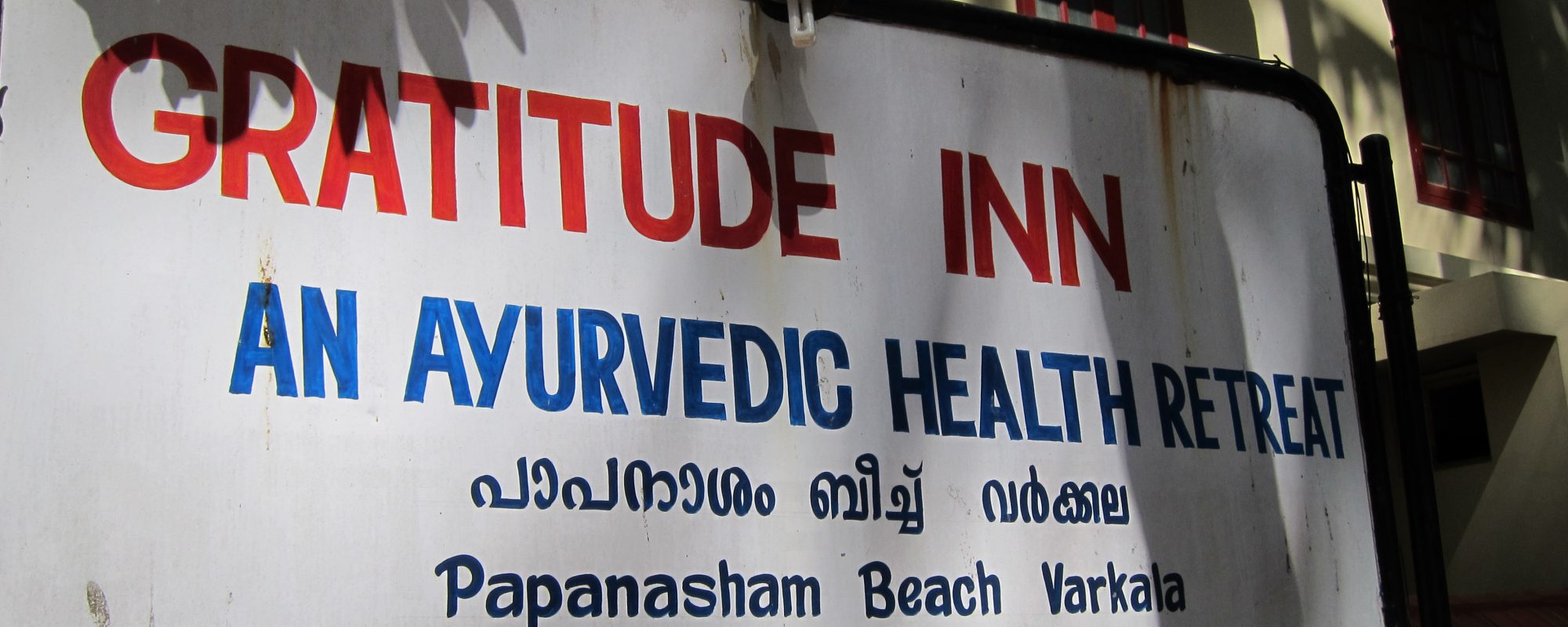
This delightful person writes for the Sadhana Bliss Chicago blog. The other contributors are Nirvair Kaur, Gina, Dukh Niwaran Kaur, and Balprem Kaur, and you can see a photo of all five on their blog (I assume this a photo of the contributors but who knows?) The blog is apparently the “Teacher Training Sadhana Blog” of the Spirit Rising studio, a Kundalini yoga studio in Chicago. The irony is that a few years ago I was given the name Narayan Kaur by the 3HO Foundation in New Mexico.

Oh, those wacky Kundalini Kids! Instead of upsetting me, I thought the comment hilarious. First, can you imagine someone leaving their name that can so easily be traced AND a photo of themselves (assuming the blog photo is of the contributors)? Second, the mind reels at the psychology of the person who would call themselves a “yogi” and write such a comment on someone’s blog. Spirit Rising Yoga actually offers “yoga-based psychotherapy.”

But on further reflection, it’s really rather sad. Really makes you wonder about intention. It’s obvious that the comment was written to hurt. And why would someone who doesn’t know me and has never met me want to hurt me via leaving a nasty comment on a blog? What is inside the mind of that person to want to do that, what is their motivation? Just pure unadulterated nastiness? Just to feed their ego?

It begs the question, if you don’t like what I write or how I write, then why read this blog at all? I don’t go to your house and shit in your yard so why do you think you can shit in mine?

Irony sure as hell rules. I read this comment after I got home from doing my seva, my karma yoga, teaching yoga and meditation to the Hispanic women’s group at the domestic violence shelter. This yoga bitch has been doing that for 7+ years now. What’s that saying about no good deed goes unpunished?

I guess you just can’t please everyone.

I don’t know if zydeco chacha is a teacher, but think of a teacher sitting in front of a yoga class spouting peace and love and lightness and brightness, Sat Nam!, and then running home and leaving nastiness on a blog. A bit of a disconnect wouldn’t you say?

Hmmmmmm….sadhana is a “spiritual practice.” Apparently Z’s personal sadhana is leaving dirt on yoga blogs. I bet Yogi Bhajan wouldn’t think too highly of that practice. If he wasn’t cremated he’s probably spinning in his grave right now.

It makes me wonder whether Z has read the Yoga Sutra-s closely….you know, like those pesky yamas and niyamas. Tsk, tsk….I think someone has to stay late after yoga school and write 1000 times on the blackboard “I will not leave nasty comments on yoga blogs….”

Funny that theirs is a teacher training blog. It’s nice to know that the Spirit Rising studio is churning out such enlightened communicators. Their Level 2 teacher training is entitled “Conscious Communication – Inspired by the teachings of Yogi Bhajan.” Ya think maybe ol’ Zydeco flunked that one? Or maybe it was unconscious communication.

Zydeco honey, the Sama never goes quietly, anywhere. In fact, you’ve inspired me to hang around just to annoy you. Kisses, sweetie.

Dear readers, feel free to leave your comments here or there. There was a website listed on the profile of Dukh Niwaran Kaur, a yoga teacher and massage therapist in Chicago. I emailed her with a link to this post. I will let you know if she responds about her fellow blog contributor’s actions.

taking a long savasana


For what is it to die, but to stand in the sun and melt into the wind? And when the Earth has claimed our limbs, then we shall truly dance.–Kahlil Gibran

Savasana is the dying that brings life so I’ve decided to slowly fade away. I may post sporadically, I may not. How can I not write about the goat sacrifices at the Kali temple in Kolkata or the naked Shiva babas at the Kumbh Mela next year? I’m bringing yin yoga to Africa next year which will surely be fodder for a yoga blog. But that’s next year.

At this juncture I feel written out. I see on my site meter what brings people here and the most searched for phrases are “St. Theresa’s Prayer” and some variation of “naked yoga” or “hot yoga chicks.” Take your pick. If those are the only reasons people are consistently coming here, have at it. As the author of the book that I mention below writes: “All words are lies. At best, they point toward the truth. At worst they totally mislead and create confusion. We already know everything there is to know…”

For those of you who are interested in more than a dead saint’s prayer or a photo of a naked yoga babe — the juxtaposition of those two images is supreme — you can start reading at the beginning of this blog. I’ve been writing since 2005 and I think I’ve laid down some rather pithy posts along the way, this one in particular being a favorite. Hey, maybe I can get a book deal. Or maybe someone will write my obituary in the yoga blogosphere — R.I.P oh snarky one, we hardly knew ye.

There have been internal shifts going on for some time now and I’m going to honor them. Shifts with my yogic path, shifts with my relationships with friends and husband, shifts with my relationship to myself. It’s all good because life is about change. If you don’t evolve, you die, just like the dinosaurs. It’s good to step away from things, whatever those things are, and let the chips fall where they may.

I wonder whether in this journey, instead of feeling more connected (as we are told we are “supposed” to feel the longer one does yoga or meditates), a consequence is feeling even more alone or apart from others. Not disconnected, but truly being in the world, but not of it. Sometimes I feel as if I am on a merry-go-round, and the faces of people I know are circling faster and faster away from me, eventually disappearing. They’ve stopped and I’ve kept going. As I’ve always said, people float in and out of our lives at specific times for various reasons and I stopped trying to figure it out long ago. It just is. The holding on (to anything or anyone) is what causes the suffering. My friends, it’s time to move on.

I will leave you with some quotes from one of the post potent and powerful books I’ve read in my 30+ years of being on a spiritual path: Shadows on the Path by Abdi Assadi , a book I learned about on AnthroYogini’s blog. If I had my own teacher training, this book would absolutely be on the required reading list. There are so many passages that I have underlined and highlighted, that if I cited all of them I would rewrite his entire book in this post. So I will just cite some sentences that have meaning to me right now, in my present experience.

“To undertake a spiritual quest as a defense mechanism against pain without addressing the underlying psychological issues will always lead to a deep splitting of one’s psyche.” (p. 19)

“In my own experience, every teacher I have had had been a perfect mirror of myself at that time….every new partner is an uncanny reflection of our subconscious needs and issues. …I also learned that fully enlightened teachers who have worked through their personality distortions are incredibly rare.” (p. 22)

“The important thing now is to do the work, to prepare the internal vessel for whatever truths may enter. Think of this as a process of simplification, not sophistication.” (p. 23)

“Spirituality is a process of dying, not gaining. This important and obvious point is not often properly acknowledged. The spiritual path is about the death of the needs and wants of an insatiable ego and its endless cycle of desire, acquisition, suffering and renewed hunger.” (p. 16)

“Grace is not a product of our willful volition but something that appears in spite of it. One of our ego’s false presumptions is that it can lead us toward grace instead of understanding that we are already swimming in it. We need to let go to feel this — but that means facing the terror of our best-kept secret: that we are not in control.” (p. 74)

“I do know that to live fully we have to practice dying while still alive. Meditation is this practice. I invite you to practice daily, letting go of who you think you are and being born into who have you have always been.” (p. 96)

I am going to practice dying.

MAY ALL BEINGS HAVE HAPPINESS AND THE CAUSES OF HAPPINESS
MAY ALL BEINGS BE FREE FROM SUFFERING AND THE CAUSES OF SUFFERING
OM MANI PEDME HUM

addthis_pub = ‘yogagal60510’;

your yoga adventure in Africa!

It’s not too early to start planning for your YOGA ADVENTURE IN ARUSHA, TANZANIA, February 26-27-28, 2010!

SCHEDULE:

Friday night: Introduction to Mindfulness Meditation (90 minutes)

Saturday morning: Yin + Yang practice + meditation (2.5 hours)

Saturday late afternoon/evening: Yin practice + meditation (2 hours)

Saturday night dharma talk:

Buddha’s Four Foundations of Mindfulness as they apply to your yoga practice

Sunday: same schedule as Saturday

YOGA DESCRIPTION:

We will explore both practices of passive (yin) and active (yang) yoga. Yin yoga consists of long-held poses (3-5 minutes) focusing on the connective tissue of the hips, pelvis, and spine. We will passively stretch the tendons and ligaments in order to unblock and distribute chi (prana) throughout the meridians (nadis), clearing blockages, and helping to balance our organ and meridian systems for our general health. This powerful practice opens your body and enlivens your mind for meditation. A slow flow vinyasa class follows the yin practice visiting the poses that you already love. You will relish the extra space cultivated in the yin poses as you discover a new sense of freedom and grace in yang movement. Recommended for students of all levels with a “beginner’s mind”, and is especially recommended for athletes and all “stiff” yogis! An open mind, rather than an open body, will deepen the experience of this profound and powerful practice.

COST: $1,108.00 (USD)

$108 from every participant will be donated to the SEVA FOUNDATION in Berkeley, California to help support the Kilimanjaro Center for Community Ophthalmology in Moshi, Tanzania. Please read about Improving Eye Care in Africa. The Seva Foundation will make a hospital tour available on Monday for all interested participants.

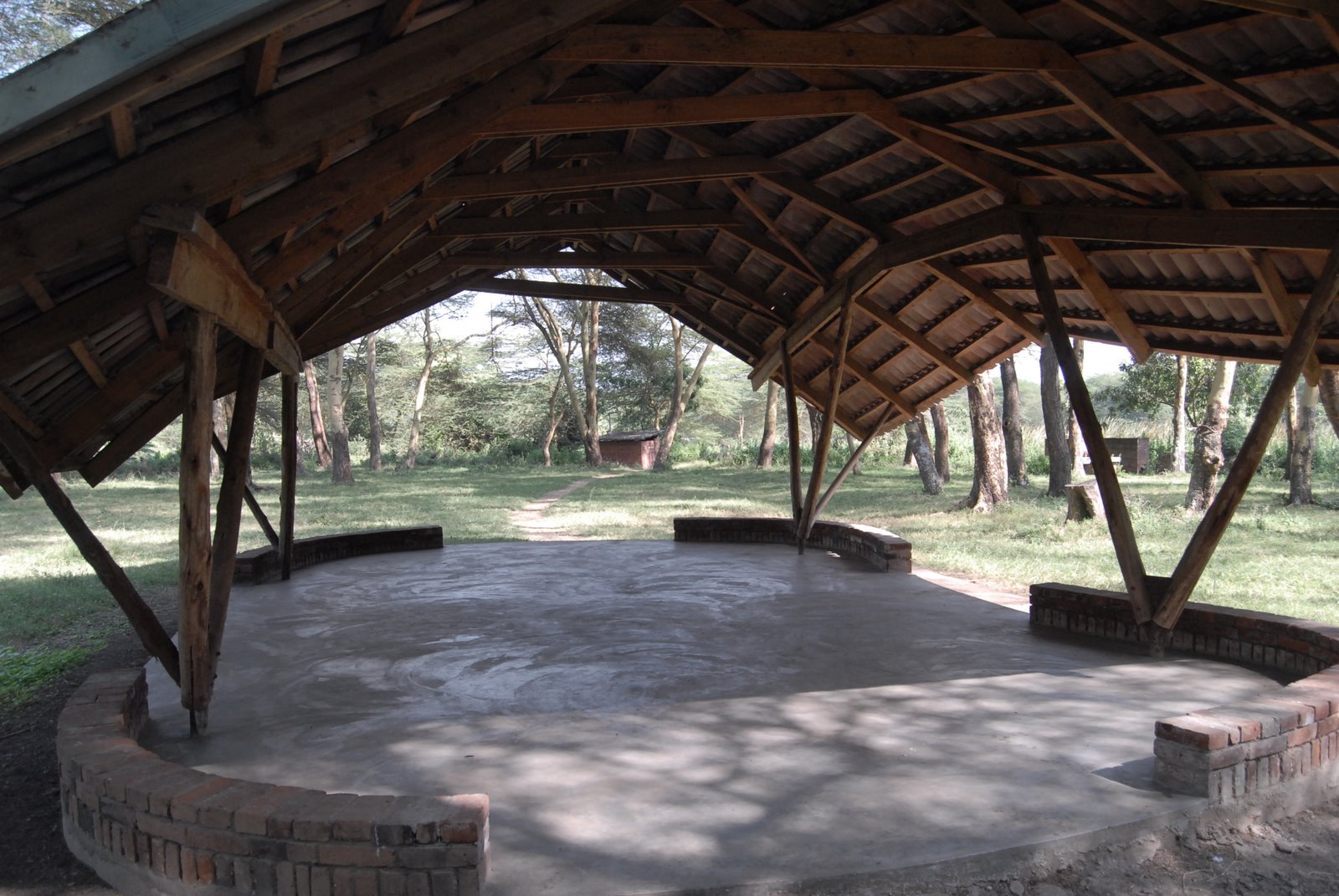
The yoga camp will be set up by Mike Peterson of Dorobo Safaris. Dorobo Safaris are considered by many to be the best ecotourism outfit in the safari circuit. Your yoga adventure will take place at Dorobo’s campsite on their land and they will provide tents, shower and toilet facilities and all meals, tea/coffee, beer and wine in the evening. Yoga will be conducted in an open sided shelter in a beautiful Acacia forest. Massage and reiki sessions will also be available at extra cost. Your $1,108.00 covers food, lodging, yoga teaching, and donation to Seva Foundation. Participants will arrive in Arusha and transfer to the Olasiti Camp on Thursday, February 25, 2010. Camp will break the morning of March 1 when two safari options will be available for you on March 2.

Go to Metta Yoga: Mind-Body Education to see complete details about the safari options available and prices, my yoga bio, and testimonials.

Prices listed DO NOT include airfare to Tanzania, Africa.

THIS EVENT IS LIMITED TO 15 PARTICIPANTS

This is a once in a lifetime yoga experience! Don’t miss it!

Can I get the help of my blogger friends to pass this information along to all interested yoga peeps?

Yoga + meditation + buddhadharma + seva: what more could anyone want?


addthis_pub = ‘yogagal60510’;

"the truth is as it is"

Narrated by Ram Dass.

I visited the ashram in Thiruvannamalai on my second trip to India. Amazing. I want to go back.

It really is so simple. Really.

addthis_pub = ‘yogagal60510’;

random musings: life, connections, India

I read Why India? this morning and left a comment for Braja. I told her that she was preaching to the choir (and thank you, Braja, for posting that awesome pic that I liberated — that little pic says it all for me!)

Why India indeed? Braja wrote about it — I listened to a deep, inexplicable stirring inside me and I went, alone. I was 51 and had never been overseas anywhere in my life. I told my husband (who for an entire year before I went was very negative and not supportive of my decision whatsoever) that nothing and no one will stop me because the feeling I had was so intense. That sense of urgency is called samvega and if I have to explain it to you, you wouldn’t understand. You just have to feel it and know it in your core. And when you feel it, there is no turning back.

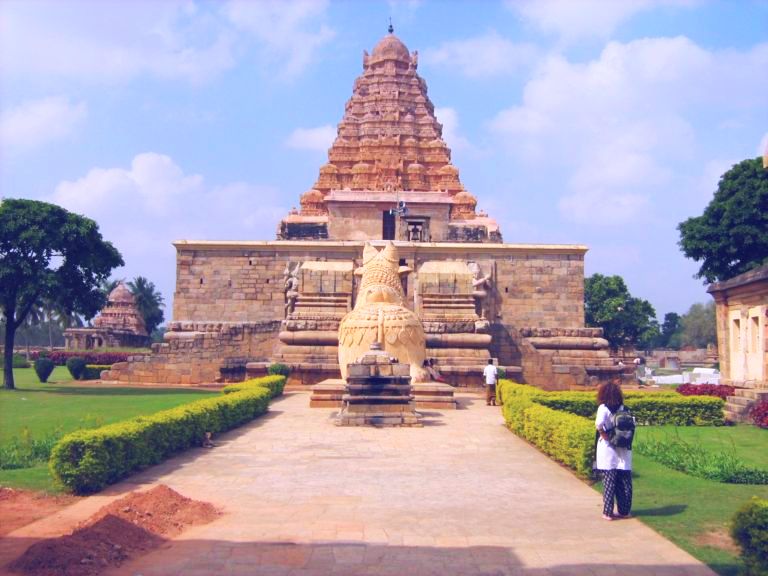
It was my karma. The minute I set my foot on Indian soil at 2 am outside the Chennai airport and walked into a sea of brown faces I knew I had come home. It was primal, visceral, certainly a past life thing, and there has not been a single day since 2005, not one, that I do not think of Ma India. That’s me in the photo, upon first seeing the temple in Gangaikondacholapuram. I stood there amazed. The shakti was palpable.

Now I am planning my fourth trip for January 2010 and I’ll be moving out of my comfort zone of South India. My friend and I decided to visit Kolkata. We’ll be there for about 8 days before moving on to Delhi and then taking the train to Haridwar — where the Ganga spills out of the Himalayas — for the Maha Kumbh Mela. Yup, us and about 50 million of our closest friends. We will be there on a most auspicious day, Mahashivaratri, Shiva’s day, and I will be there when he dances. I don’t want to sound dramatic, but for about the last two years I have felt in my bones (just like I knew I was going to India) that something will happen for me there. A few weeks ago a spiritual adept confirmed my intuition, and if it happens, it happens. I won’t say what she said, you will have to wait until I get back. If I come back. My students and my friends know there is always that chance.

So I’ve been very pensive these few days. The details of my African yoga retreat are being finalized, and since finishing my latest training I can now fully concentrate on my India trip. The line from a Grateful Dead song keeps going through my head, “what a long, strange trip it’s been.” Indeed.

Yesterday as I walked to the Chicago yoga studio where I trained I thought about how nervous I was on the first day of training, a mere 7 years ago. Now I am planning my fourth trip to India, I’m leading a yoga retreat in Africa in February, and I might be teaching in Australia next May. I’ve created my own holistic healing modality, a combination of my Phoenix Rising training and yoga therapy teachings from the Krishnamacharya Yoga Mandiram, and firmly grounded in insight meditation and mindfulness practice. And yes, I’m trademarking the name, I’m going to play the American yoga game at least in that respect. Seven years. “They” say we go through major changes every seven years.

And those connections we make. I’ve always said that I feel more connected to the global yoga community via this blog than I do to yoga people in my own backyard. For one thing I’ve received more support from people who I’ve never met than from people who know me here. Funny how that works. People like Kevin who paid my deposit to the ashram I was going to study at but then changed my mind (yes, he got his money back from the shady swami.) We’ve never met but he paid a deposit. That’s trust.

People like Nadine who calls me one of her “yoga mothers.” We’ve never met but we both attended KYM at different times so we have the same yoga sensibility (and we both love love love Mark Whitwell.) Nadine hooked me up with the woman who can make my Australia teaching possible. But me, a “yoga mother”? I cried when I read that because I am only a mother to cats. Most people I know would never think of me as mother material, in fact, they’d snort and laugh and roll their eyes at the thought. But what they don’t know about me….it’s their own avidya.

And of course dear Svasti. We are both survivors and connected in that way. She said, “I have this theory about the little blog world here…that it’s made up of similarly disaffected people, who get it because that’s also been their experience.”

Yeah, I get it. Connections. There are others and I hope you know who you are.

None of this is lost on me. Life is ebb and flow. Some of us have some pretty heavy karma to burn through in this life. There are no accidents and all things happen for a reason even if we don’t know the reason at the time. The realizations I’ve had in these last seven years, well, let’s just say that if I died tomorrow (and I am very comfortable meditating upon my own death), I would be happy. Very happy. And grateful.

It’s all so connected, it’s all so real to me: yoga is life.

What’s so hard to understand?

addthis_pub = ‘yogagal60510’;

Sri Ramaswami on P. Jois and birth and death


(AUM written in Tamil)

I am an ongoing student of Srivatsa Ramaswami and this is what Ramaswamiji had to say in an email about the passing of Pattabhi Jois and birth and death.

Sri Ramaswami was Krishnamacharya’s longest standing student outside of Krishnamacharya’s family. He studied with Krishnamacharya for some 30 years, longer than P. Jois, Iyengar, and Desikachar.

SRI PATTABHI JOIS

Three of the disciples of my Guru, Sri Pattabhi Jois, Sri B K S Iyengar and Sri T K V Desikachar, propagated Yoga in the modern times and their influences have been phenomenal. The oldest of them, Sri Pattabhi Jois, taught the unique adaptation of my Acharya’s asana teaching, christened Ashtanga Vinyasa Yoga. It has caught the imagination of hundreds of thousands of Yogis all over the world and is practiced with tremendous enthusiasm. His passing away at the ripe old age of 94 leaves a void in the Yoga World. A tremendous teacher, Guruji was dearly loved and highly respected in the Yoga world. I had not met him but am aware that he was an ideal student of my Guru. The debt to a father is repaid by the offspring by exemplary conduct. “What good karmas the father should have done to get such a wonderful offspring”, people should say of the son/daughter. Likewise it is said that a student should bring out the glory of the teacher by his teachings — “Acharyam praksayeth.” People should wonder, “Who was his teacher?”

Sri Jois by his relentless and pioneering work on Yoga brought name, fame and respect to the legacy of his teacher Sri Krishnamacharya.

Om Shanti.

BETWEEN DEATH AND BIRTH

All the orthodox philosophies which accept the authority of the Vedas subscribe to the Theory of Karma, even as they have significant differences in the interpretation of the Vedas.

According to the Vedas, the individual soul surrounded by the vasanas or impressions of the past lives and also the remainder of the accumulated subtle karma bundle, gets attached to the subtle body of the individual. The subtle body itself, according to Sankhyas, is made of 18 aspects, the three internal organs of the chitta, viz., mind, ego and intellect, the ten indriyas and five tanmatras. When a person dies, the non-changing pure consciousness — the soul or self also known as purusha or jiva along with the subtle body undergoes the first transformation when it goes through ‘fire’, as the physical body is consigned to the fire after death. Then the subtle body goes up the sky space and approaches the heaven, but due to the avidya and the power of the accumulated karmas, stagnates and then is absorbed by the rain clouds, which is the second transformation due to the ‘fire’ of water. The subtle body then descends to earth with the drops of rain and is absorbed by a plant which is the third transformation through fire of earth. Then when the plant or the plant product is eaten by a being, it is absorbed and becomes the generative fluid of that person. This is the fourth transformation through the fire of the being, or gastric fire. Then when it is transferred to the female being, it undergoes another transformation through fire of the womb and becomes an embryo. Then according to Samkhyas the embryo has the subtle body and the genes/genetic body. The subtle body which went through five changes now gets the second body or the body given by the parents (mata pitruja sarira). This embryo then gets nourishment through the mother and develops another body known as bhuta sarira (the physical body) or a body made of the five elements — earth, water, fire, air, and space. And then one is born again. These five fire transformations is in the panchagni vidya of the Upanishads, and the Samkhyas talk about the subtle body, the genetic body, and the physical body to complete the story of the journey from death to birth. But those yogis who have attained Kaivalya or Moksha or Nirvana have their souls liberated and are able to shed the subtle body when they attain liberation and are able to break this cycle of samsara or transmigration. One who is able to clearly understand the process of transmigration through meditation and understanding of the panchagni vidya briefly narrated above are able to attain liberation (for better understanding, read the panchagni vidya from Chandogya Upanishad.) Such a person is able to see the distinction between the changing body going through all the transformation between birth and death and then between death and birth and the non-changing pure consciousness or the Self. Such a person is able to identify with the non-changing consciousness as ‘oneself’, the immortal self and becomes immortal. The rest, considering themselves to be mortal go through the cycle of samsara repeatedly and endlessly say the Upanishads.

dreamin’ those India dreams

http://stuff.freeflashtoys.com/swf/cd_custom.swf?maturity=1262584800000:16777215:16777215:16777215:source.pyzam.com/app_res/mdp_cd/300×180/0/b/ahthailand.jpg:return032to032Ma032India
Make your own Countdown Clocks

MA INDIA, 2010: CHENNAI-KOLKATA-BHUBANESWAR-DELHI-HARIDWAR FOR KUMBH MELA

Near Bhubaneswar is the Temple of the 64 Yoginis — don’t think I’ll be missing that one. Also spending time at the two Kali temples in Kolkata here and here.

UPDATE: YOGA JOURNAL HAS NOT YET RESPONDED TO THIS POST AND I WISH THEY WOULD CONSIDERING ALL THE COMMENTS SO FAR!


addthis_pub = ‘yogagal60510’;

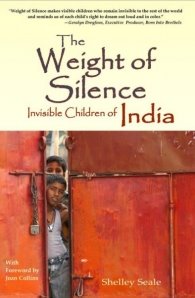
The Weight of Silence: Invisible Children of India

I want to give a shout-out to a new book written by my blog pal, Shelley Seale. The Foreward is by Joan Collins with endorsements by Geralyn Dreyfous (Executive Producer of Born Into Brothels), Kate Dancy (Save The Children), Dominique Lapierre (Author of City of Joy) and more. I first “met” Shelley through her blog The Weight of Silence — we both share a love of Ma India that is primal.

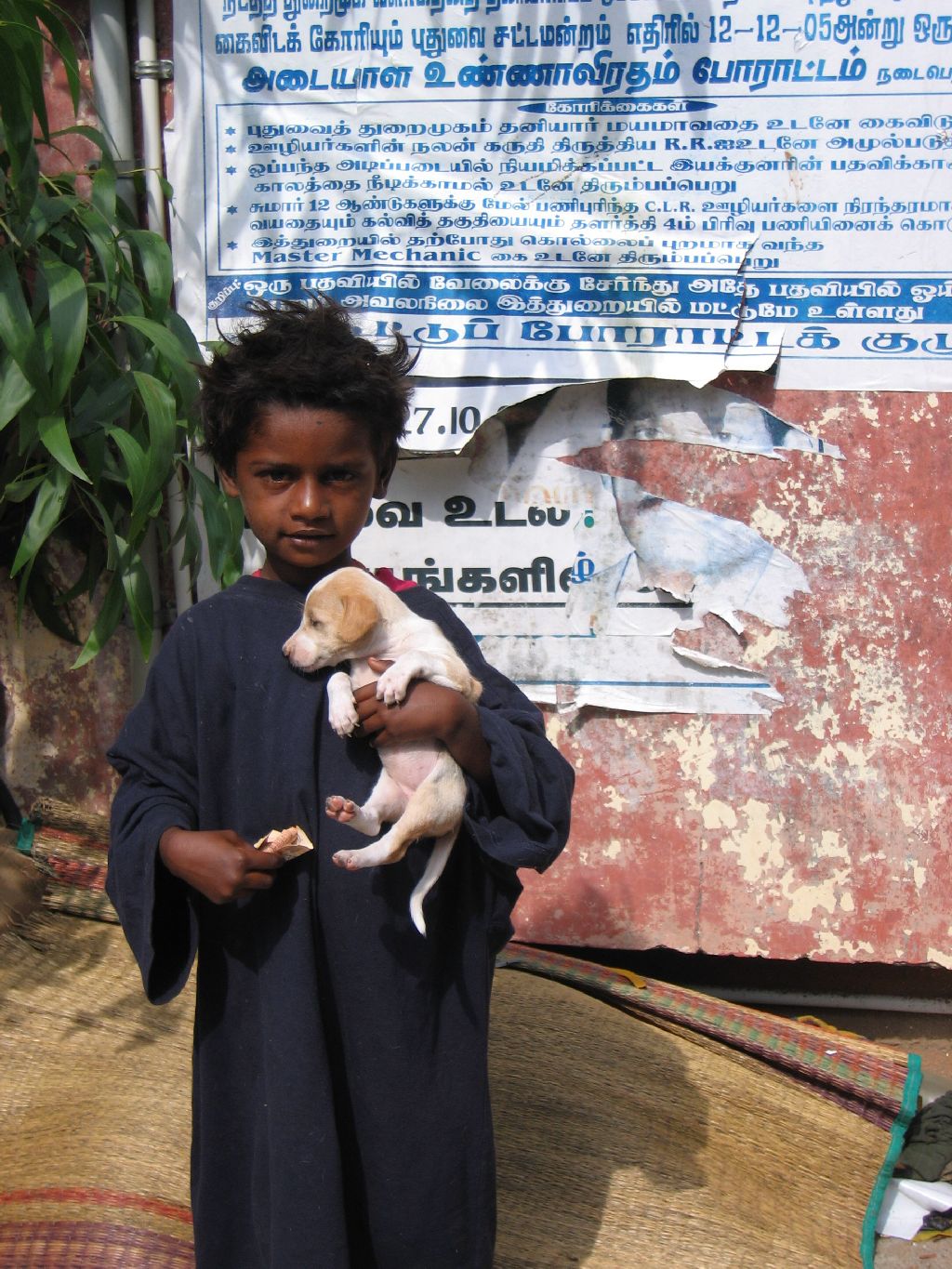
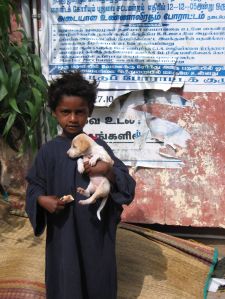
Shelley first went to India to volunteer with a children’s charity and fell in love with India and its people. I know how she feels because when you travel to India you are inevitably surrounded by begging children wherever you go. It’s been three years since I saw this girl in Pondicherry and the photo still haunts me…those are my rupees in her hand.
Shelley’s book is available in stores right now. Buy her book, donate money, help the children of India.

You can read an excerpt from Shelley’s book here.

Q&A with Shelley Seale author of The Weight of Silence: Invisible Children of India

1. What is the book about?

By now, everyone had either seen, or at least heard of, the movie Slumdog Millionaire, about the lives of two brothers who come from the slums of Mumbai – made even more desperate after they are orphaned. What many don’t know, however, is that for 25 million children in India, the harsh world depicted in the movie is their everyday reality. Yes, that’s 25 million kids who have been orphaned, abandoned or trafficked. My book, The Weight of Silence: Invisible Children of India, follows my journey over the past four years into the streets, orphanages and slums of India where these children live without families or homes of their own. I became immersed in their world, a witness to their struggles – but also their joys, their incredible hope and resilience that amazed me time and time again. The ability of their spirits to overcome crippling challenges inspired me. My sole purpose in writing this book was to give these millions of children a voice that could be heard by others in the world who, I was convinced, would be as moved by their plights as I was.

2. When did you first go to India, and why?

One day in early 2004 I was paging through a local magazine when an article grabbed my attention. It told the story of Caroline Boudreaux, who had visited India three years earlier and happened upon an orphanage full of children living in incomprehensible conditions. She had returned home and started the Miracle Foundation, a nonprofit which raises money and recruits sponsors to help support the home. I began volunteering for the organization and sponsored a child, and Caroline invited me to go to India with a volunteer group. My first visit was in March 2005.

3. How did you first start thinking about writing this book?

When I arrived that first time, I assumed all the kids there were orphans in the true sense of the word – their parents had died. Instead I was shocked by how many of them had been “orphaned” by poverty; their parents had left them at the Miracle Foundation home because they were too poor to feed them, which in some ways seemed an even greater tragedy. I wondered when each of them had stopped wanting to go back home, or if they ever had. Many of them had also been affected by other issues such as disease or child labor and trafficking; some had been found living on the streets.

As I bore witness to the harm that lay in each of them because of their pasts, as I discovered the stories behind the faces and the names, there was simply no way to go on with my life afterwards as if they did not exist. So I embarked on a three-year journey researching the issues, traveling throughout India and talking to many professionals and those working in the trenches to uphold these children’s rights and improve their futures. I could see that they were “invisible” children, without a real voice of their own. My sole purpose in writing the book was to give these millions of children a voice that could be heard by others in the world who, I was convinced, would be as moved by their plights as I was.

4. How did you involve your daughter in your work?

When I first went to India in 2005 and the idea for this book was planted, my daughter Chandler was a 14-year-old junior high student. Like most typical teenagers, she paid little attention to my volunteer work with the Miracle Foundation – until I actually went to India.

When I returned, Chandler was pretty excited and enthralled by my photographs and the stories I told her. That fall she started at a new high school that was very progressive, featuring a Global Citizen class and a spring “project week,” in which students were given a week off regular class schedules to complete a project of their own design. Some students made videos or art projects, others did community service. Between the school’s focus on social and political issues and living in Austin among a set of friends with broad viewpoints of the world, Chandler decided that her project week would be India – going on the volunteer trip and compiling a photo journal of the experience.

Chandler already had a broader sense of the world than I had at her age, and a compassionate nature. I yearned to foster that seed in her. I thought, what an incredible blessing it would be for a person to grow into adulthood without the blinders, without the sense that the small corner of the world she knew was the only one there was. I knew she would be enriched by the experience, and I also knew it was a gift she would not take lightly. And so I returned to India exactly one year after my first trip, with Chandler in tow. It was such an amazing journey for both of us. The look on her face our first day with the children beat any day I had ever spent with her in my life, after the day she was born. She never once complained about the heat, the dirt, the food, the place we stayed…you have to know that this was not Mumbai, this was a tiny, poverty-stricken, rural village. She didn’t want to come home and cried when we left – as we drove away from the orphanage on our last night, at the hotel, on the airplane.

5. What was a pivotal moment in writing The Weight of Silence?

I was about halfway through the book when I attended the Prague Summer Workshop for writers in the Czech Republic, in July 2007. There I was part of a nonfiction manuscript workshop with about ten other writers. I couldn’t really figure out how to integrate the personal journey and story part of the book, with the bigger picture research and statistics about the issues affecting these kids. It was unbelievably helpful to get objective input into what worked and what didn’t, from people who didn’t know me at all and hadn’t read the manuscript before. And learning what worked – it was almost magical, sitting there listening to the other participants read aloud the passages that they loved. It was like an “a-ha” moment; I knew exactly how it was supposed to flow, exactly how the finished book would read.

6. There is so much poverty and plight in the U.S.…what drew you to India?

This is one of the most frequent questions I’m asked: Why India? You’re right, there is much poverty and need in the U.S., and we must all be aware and active in the struggles against poverty, racism, sexism, social inequities and other challenges that create vast problems right here at home. I believe that, and I am also involved in a huge amount of work on behalf of foster children and children’s rights in the U.S.; I donate much money to these causes and volunteer hundreds of hours a year here at home. I truly believe it is all of our obligation as citizens. It’s not like I think only India has children in need.

My simple answer to the question “Why India” is, why not? Once I got involved and then traveled to India and the orphanages myself, and began researching the issues for my book, the vast differences between children’s issues and lives in the two countries were glaring. Extreme poverty in India is not the same as poverty in the United States. And there are very little, if any, safety nets for the children who fall through the cracks. Although we have vast problems as well, millions of children in the U.S. aren’t threatened by malaria and tuberculosis, denied their entire educations or trafficked – sold into factories or domestic labor if they’re lucky, to brothels if they’re not. A childhood cannot wait for the AIDS epidemic to subside, for poverty to be eradicated, for adults and governments to act, for the world to notice them. And quite simply, because those twenty-five million children exist.

7. Do you worry about being a non-Indian writing about these issues?

Yes, I am very aware of being a westerner writing about India, and am quite direct in the book about its purpose not being to tell Indians how to solve their own problems. My only desire was to give a strong and hopeful voice to these children. Foreigners, including myself, do not and cannot know what is best for India. It is not a matter for us to come and instruct or order; for efforts undertaken in that way, no matter how well intentioned, will always fail in their arrogance. Foreigners rarely fully understand the society they think to “improve,” and the potential for imposing their own cultural bias can result in negative consequences for those whose lives they seek to change. We should come to listen, to learn, to assist where and when asked; and so the goal of this book is simply to allow us to hear what those voices have to say.

8. Who has inspired you on this journey?

From a very early age, my grandparents and parents always inspired me. I have the most wonderful, close, loving family who have always supported me unconditionally. It’s an amazing gift, which is why it breaks my heart to see other children go through life without that. While writing the book, there were so many people along the way who inspired me and have become my heroes. Caroline Boudreaux was the first one – this woman gave up a very successful television advertising career after meeting a group of orphans, by chance, on one evening – and dedicated the rest of her life to supporting them and ensuring their fundamental rights. Dr. Manjeet Pardesi, her Director of Operations in India, has a similar story – he left behind a successful accounting business in Delhi to open and run an orphanage and home for unwed mothers hundreds of miles away.

Outside of the social workers and professionals, there were so many people who awed me with the lives they laid bare to me. One woman in particular in Vijayawada in Central India, named Durgamma. This woman lives in a slum village that has been completely devastated by AIDS, which has wiped out a large portion of the middle generation there. What it has left behind are dozens of families in which grandparents are raising their grandchildren, after their own children have died of AIDS. This type of household is so prevalent there that the women have developed “Granny Clubs” to support each other. Durgamma is trying her best to raise her two young grandsons – one of whom is HIV-positive. She is a stooped, elderly woman who can barely walk, and yet she may be one of the strongest women I have ever met.

9. If you had one wish what would it be?

That there was never a reason for me to have written this book in the first place – that as I sit here and complete this interview, there aren’t currently 25 million children living in orphanages or on the streets in India. All lives, no matter where they are lived, have equal value. All children are born with fundamental rights – to food, clean water, medical care, education, and a home. It’s up to us to ensure those rights – as well as that most basic of rights – a childhood. Once it’s gone, that childhood can never be regained. Let’s not wait until it is too late.

10. What do you hope the readers “take away” from your book?

Two things. First of all, that even though the topic is serious and the stories often heartbreaking, it is not a depressing book or subject! These kids, and their stories, are incredible and awe-inspiring, hopeful and inspirational. In my journeys over the last three years into the orphanages, slums, clinics and streets of India I have become immersed in dozens of children’s lives. Their hope and resilience amazed me time and time again; the ability of their spirits to overcome crippling challenges inspired me. Even in the most deprived circumstances they are still kids – they laugh and play, they develop strong bonds and relationships to create family where none exists; and most of all they have an enormous amount of love to give. The issues are tough, what has happened to a lot of these kids makes you want to cry – but the bottom line of their stories is a very strong, hopeful voice.

Second, just to get involved and do something; to realize that just a little bit can move mountains. Too often, I think the natural inclination of most of us in the face of some of the large problems in the world is to become overwhelmed and throw up our hands in despair. They seem insurmountable. But the truth is, the smallest actions can make the biggest difference in just one person’s life, and if you can affect one person’s life, it is the world to that person. Most of us could never sell all our belongings and go work in the trenches in India, but that doesn’t mean we should think, then, that we can’t do anything at all. Amazing things can be done that aren’t difficult at all. A reader doesn’t even have to come away from my book and do something about India – I think the key is to discover what you are passionate about, what you have genuine feelings and caring about – and then do something about that issue. But just do something.

11. If you could ask people reading this to do one thing, what would it be?

Give these children a voice by reading their stories. And, as I said, find the something that is “your thing” and take action to make a difference in someone’s life. Remember, in the words of Dr. Martin Luther King, Jr.: “Our lives begin to end the day we become silent about things that matter.”


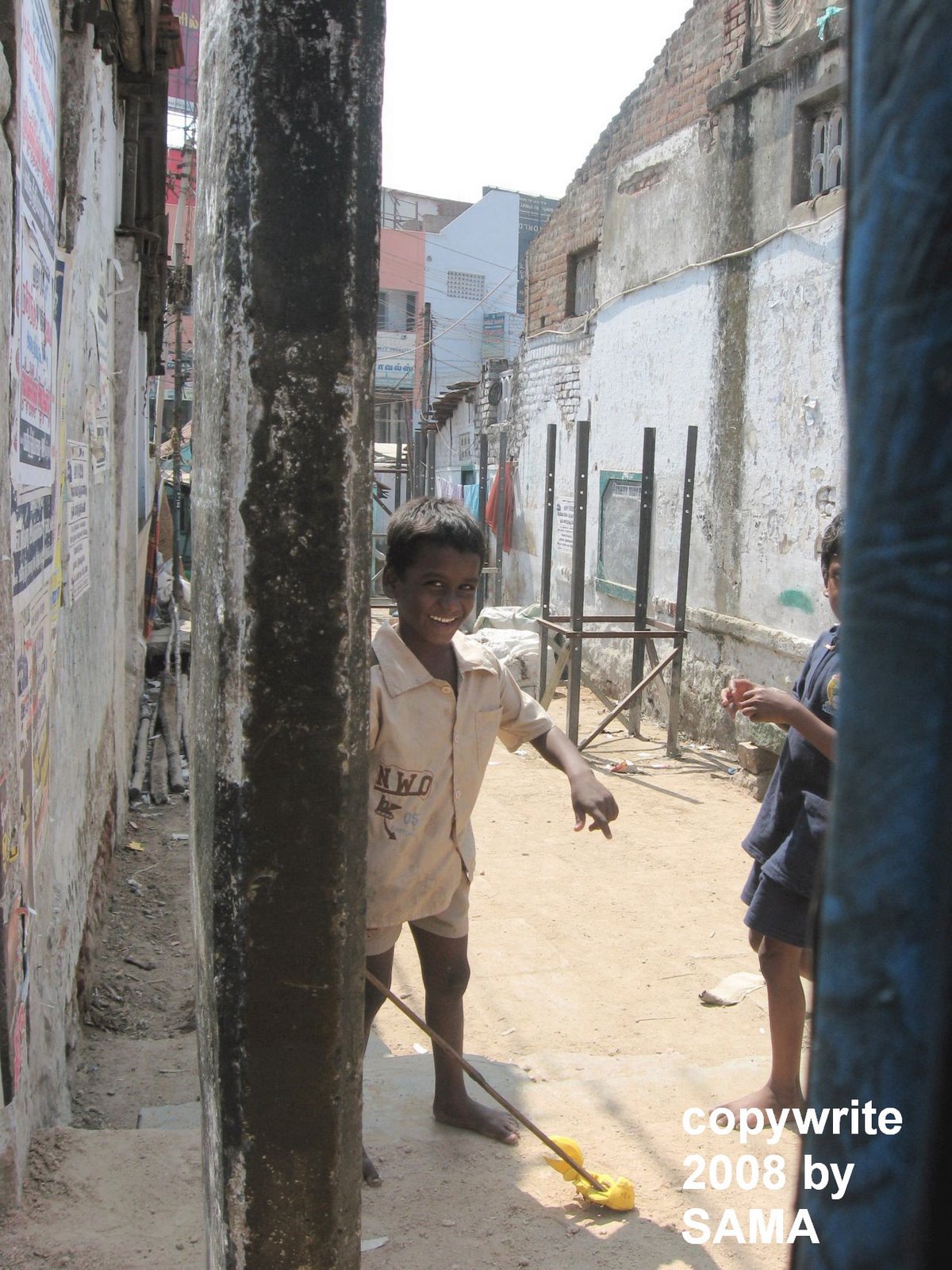
Slum boy using garbage for a toy, Madurai, Tamil Nadu, 2008
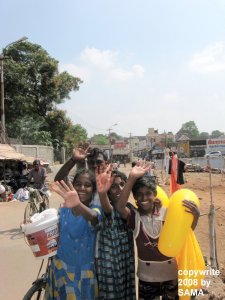

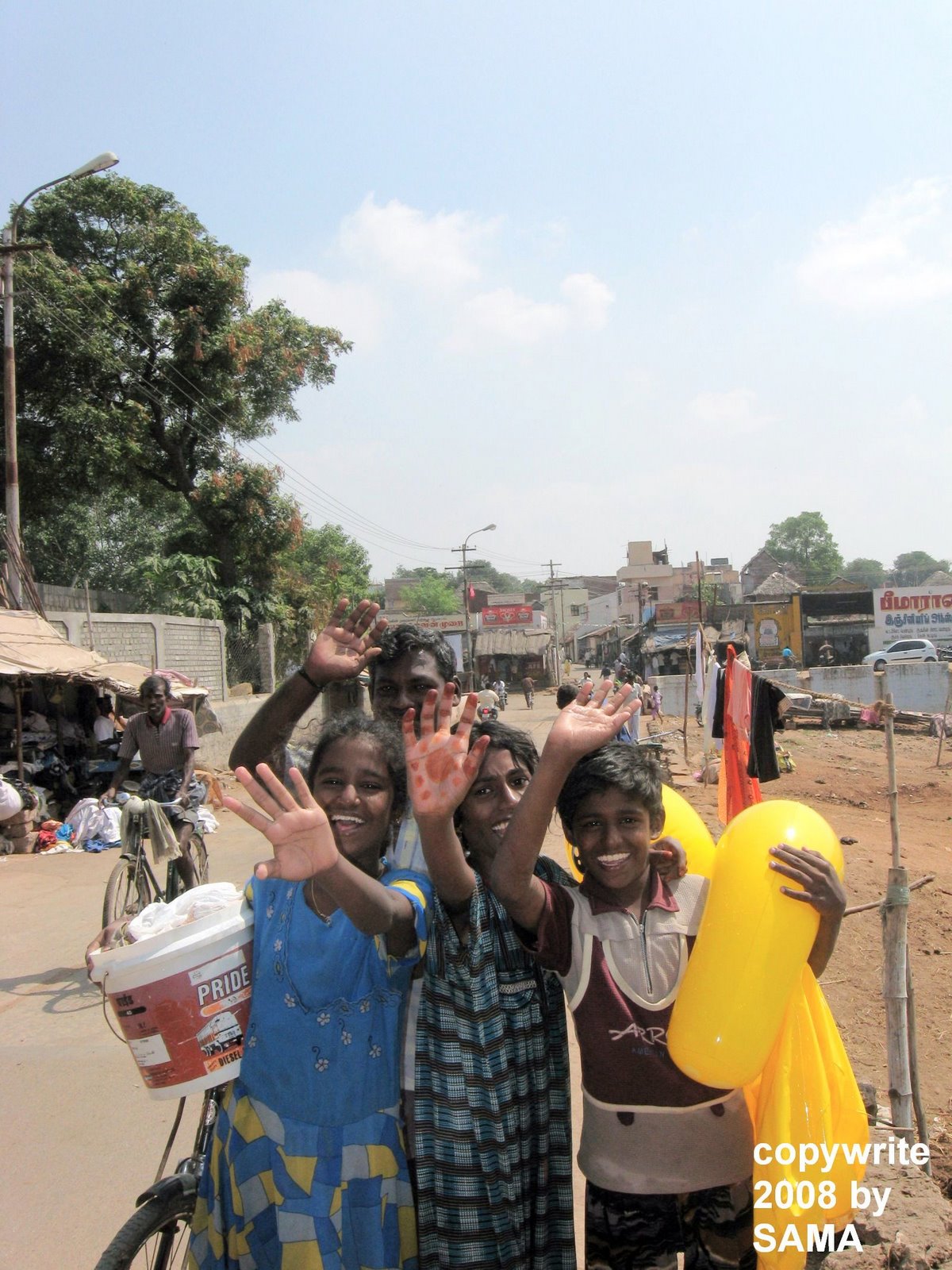
Slum children, Madurai, Tamil Nadu, 2008

addthis_pub = ‘yogagal60510’;

my life on the yoga D-list

I returned yesterday from my Level 2 Phoenix Rising Yoga Therapy training in Vermont to find out that there was a glaring omission in Yoga Journal’s story about yoga blogs — me. And how did I find out that Yoga Journal neglected me? From my brother from a different mother, YogaDawg. So just like a good brother he came to my rescue by mentioning me in his blog post about being anointed by Yoga Journal. He said that he “couldn’t let it go without giving you a plug at the end of my blog post”, reminding people that I continue to “kick yoga’s ass.” Thanks, bro!

Let’s see who else thinks that Yoga Journal should have put me on their A list of yoga blogs…Dr. Jay over at Yoga for Cynics who said “I think you should’ve been in the YJ blog list, too” and Yoga Dork who thinks that Yoga Journal should have also included “Linda’s Yoga Journey, Everything Yoga, Yoga Nation, Svasti and It’s All Yoga, Baby.”

I feel like Kathy Griffin. Kathy is a loud-mouthed, snarky broad from Chicago (what is it about Chicago women?) whose show My Life on the D List is hilarious (at least I think so.) The show follows her struggle as a self-proclaimed “D-list” celebrity to climb the Hollywood ladder.

Hey, wait a minute. This blog is about the same thing, only in a different world. This blog is about my journey up (and down) the yoga ladder and like Kathy, I’m also unplugged, uncensored, and unafraid to dish the dirt about what really happens on the yoga road. So how can Yoga Journal ignore me?

Yogini writers (real writers who actually get paid to write!) like Anne Cushman and Lucy Edge could not have been wrong when they wrote their kudos about LYJ. Over 30,000 global readers can’t be wrong. What’s a yogini blogger to do? I’m just so vaklempt that YJ writer Lauren Ladoceour did not think LYJ worthy enough to be listed on her yoga blog A List, especially not worthy enough to be called snarky and satirical! After four years and 300+ cathartic and snarky posts? Moi?!?

So just like Kathy Griffin who enlisted her mother, her assistants, and her Mexican housekeeper to call musicians to ask them to vote for her Grammy nominated comedy album (I know I am dating myself by calling it an “album”), I am asking all my lovely and faithful readers from all over the world to email Yoga Journal at letters@yogajournal.com to tell them how you feel about their glaring omission. In no uncertain terms. Let your throat chakra open up and speak your truth. Pretend that you’re calling Simon Cowell and voting for the next American Yoga Idol. Over 30,000 readers have passed through here so let’s see if Yoga Journal’s computers can handle all the emails! Yeah! Knock ’em on their asana!

Listen, Yoga Journal, who needs your stupid list anyway? I will hold my head high and proudly channel Groucho Marx who said:

“I would not join any club that would have someone like me for a member.”

So there. Besides….

CONGRATULATIONS TO ALL THE YOGA BLOGS WHO MADE THE LIST….SERIOUSLY. MY A-LIST OF BLOGS, YOGA AND OTHERWISE, ARE IN MY BLOGROLL, SO VISIT THEM.

YOU CAN FIND THE BOXER SHORTS AT KATHY GRIFFIN’S WEBSITE.

addthis_pub = ‘yogagal60510’;